
Corporate videos serve as a powerful medium to convey your brand’s message, highlight your products, or introduce your company culture. They are an essential component of a comprehensive marketing strategy, offering a dynamic way to engage with both internal and external audiences.
The Role of Corporate Videos in Branding
Corporate videos play a crucial role in shaping and reinforcing your brand identity. Through visual storytelling, they provide an opportunity to showcase your brand’s values, mission, and vision in a way that text alone cannot achieve. Videos can evoke emotions and create memorable experiences that help solidify your brand’s image in the minds of your audience.
Enhancing Engagement Through Visuals
Visual content is more engaging than text-based content, making corporate videos an effective tool for capturing and retaining the attention of your audience. Videos can simplify complex information, making it easier for viewers to understand and remember your message. Additionally, the combination of visuals, sound, and motion can create a more immersive experience, encouraging viewers to interact with your brand.
Strengthening Internal Communication
Beyond external marketing, corporate videos are valuable for internal communication. They can be used for training, onboarding, and communicating company updates or initiatives. Videos can help ensure consistent messaging across the organization and foster a sense of community and alignment among employees.
Why Invest in Professional Video Production?
Investing in professional video production can significantly enhance the quality and effectiveness of your corporate videos. A seasoned production house in Mumbai, for instance, brings expertise, high-quality equipment, and creative insights that can transform your vision into a polished final product.
Professional video production teams have the experience and knowledge to handle all aspects of video creation, from pre-production to post-production. They understand the technical aspects of filming, such as camera angles, lighting, and sound, ensuring that your video is visually appealing and audibly clear. Their expertise allows them to anticipate and overcome challenges, delivering a high-quality product.
Access to Cutting-Edge Technology
Working with a professional production team gives you access to the latest equipment and technology. High-quality cameras, lighting setups, and sound equipment can make a significant difference in the final product’s quality. Additionally, advanced editing software and techniques can enhance the video’s visual and auditory elements, creating a more professional and polished result.
A professional production team brings fresh perspectives and creative ideas to the table. They can help you brainstorm concepts, develop storyboards, and script your video in a way that aligns with your brand’s goals. This collaborative process ensures that your video not only meets your objectives but also stands out in a crowded marketplace.
Pre-Production: Laying the Groundwork

The success of your corporate video hinges on the preparation done during the pre-production phase. This stage involves planning, scripting, and organizing all the elements necessary for the shoot.
Before the camera starts rolling, clearly define what you want to achieve with your corporate video. Are you looking to increase brand awareness, launch a new product, or train your employees? Having a clear goal will guide the entire production process and ensure that every element of your video aligns with your objectives.
When defining objectives, ensure they are specific, measurable, achievable, relevant, and time-bound (SMART). This approach allows you to track the success of your video and make data-driven decisions for future projects. Measurable goals provide clarity and focus, ensuring that the entire production team understands the desired outcomes.
Aligning Video Goals with Business Strategy
Your video objectives should align with your overall business strategy. Consider how the video will support your company’s broader goals, such as increasing market share, enhancing customer loyalty, or improving employee engagement. By aligning your video objectives with your business strategy, you ensure that your efforts contribute to the company’s success.
In some cases, you may have multiple objectives for a single video. Prioritize these objectives based on their importance and potential impact. This prioritization will help guide the creative process and ensure that the most critical messages are effectively communicated.
Understanding who your audience is will dictate the style, tone, and content of your video. Consider factors such as age, interests, and viewing habits. This insight will help tailor your message to engage your audience effectively.
Conduct thorough research to understand your target audience’s demographics, psychographics, and preferences. Use surveys, focus groups, and social media analytics to gather insights into their needs and interests. This research will inform your video’s content and style, ensuring it resonates with viewers.
Segment your audience into distinct groups based on shared characteristics or behaviors. This segmentation allows you to create more personalized and relevant content for each group. By addressing the specific needs and interests of different audience segments, you increase the likelihood of engagement and conversion.
Adapting Content for Different Platforms
Consider how your audience consumes content on different platforms and tailor your video accordingly. For example, a video for social media may need to be shorter and more attention-grabbing than one for your website. Understanding platform-specific preferences ensures that your video is optimized for maximum reach and impact.
A well-written script is the backbone of any successful corporate video. It should be concise, engaging, and aligned with your objectives. Remember, the script is not just about words; it’s about creating a narrative that captivates your audience from start to finish.
Create a narrative that tells a story and connects with your audience on an emotional level. Use relatable characters, real-life scenarios, or testimonials to make your message more engaging and memorable. A strong narrative helps humanize your brand and fosters a deeper connection with viewers.
Balancing Information and Entertainment
Strike a balance between providing valuable information and entertaining your audience. While it’s essential to communicate your message clearly, incorporating elements of humor, drama, or intrigue can make your video more enjoyable to watch. An engaging script keeps viewers interested and encourages them to take action.
Collaborating with Scriptwriters
Consider working with professional scriptwriters who have experience in crafting compelling narratives. Their expertise can help refine your message, structure your script effectively, and ensure that your video resonates with your audience. Collaboration with scriptwriters can elevate your video’s quality and impact.
Production: Bringing Your Vision to Life
The production phase is where your ideas and planning come to fruition. It involves filming the footage, capturing sound, and ensuring all visual elements are in place.
Selecting the right location is crucial in setting the tone of your video. Whether it’s an office, a studio, or an outdoor setting, ensure that it complements your message and provides an appropriate backdrop.
Evaluating Location Suitability
When choosing a location, consider factors such as accessibility, lighting conditions, and background noise. Visit potential locations beforehand to assess their suitability for your shoot. A well-chosen location enhances the video’s visual appeal and supports the narrative.
Incorporating Branding Elements
Incorporate branding elements into your location to reinforce your brand identity. Use colors, logos, or other visual cues that align with your brand’s image. Subtle branding elements create a cohesive look and feel, ensuring that your video remains consistent with your overall marketing strategy.
Prepare for contingencies by having backup locations or plans in place. Weather changes, unexpected noise, or other disruptions can impact your shoot. Having alternative options ensures that production continues smoothly, minimizing delays and additional costs.
Good lighting can make or break your video. It sets the mood and ensures that your subjects are clearly visible. Similarly, clear, high-quality sound is essential for conveying your message effectively. Consider hiring professionals or consulting with a production house in Mumbai to ensure these elements are top-notch.
Understand different lighting techniques and how they affect the mood and tone of your video. Experiment with natural light, artificial light, and various lighting setups to achieve the desired effect. Proper lighting enhances the visual quality of your video and highlights important details.
Invest in high-quality microphones and sound equipment to capture clear audio. Background noise, echo, or poor sound quality can detract from your message and frustrate viewers. Test your sound equipment before filming and consider hiring a sound engineer for optimal results.
Balancing Visual and Auditory Elements
Achieving a balance between visual and auditory elements is key to effective video production. Ensure that both aspects complement each other and support the narrative. A harmonious blend of visuals and sound creates a more immersive and engaging experience for viewers.
Directing involves guiding the cast and crew to bring the script to life. It’s about capturing the right shots, angles, and expressions to convey your message. Working with experienced filmmakers can significantly enhance this process, ensuring that every scene is executed flawlessly.
Clearly communicate your vision and expectations to the cast and crew. Provide detailed instructions and feedback to ensure that everyone is aligned with the video’s objectives. Effective communication fosters collaboration and helps bring your vision to life.
Experiment with different camera angles and movements to create dynamic and visually interesting shots. Use techniques such as panning, zooming, and tracking to add depth and dimension to your video. Dynamic shots capture the viewer’s attention and enhance the storytelling.
Be prepared to manage on-set challenges, such as time constraints, equipment malfunctions, or talent issues. Stay flexible and adapt to changing circumstances to keep the production on track. Effective problem-solving ensures a smooth filming process and helps deliver a high-quality final product.
Post-Production: Editing and Finalizing
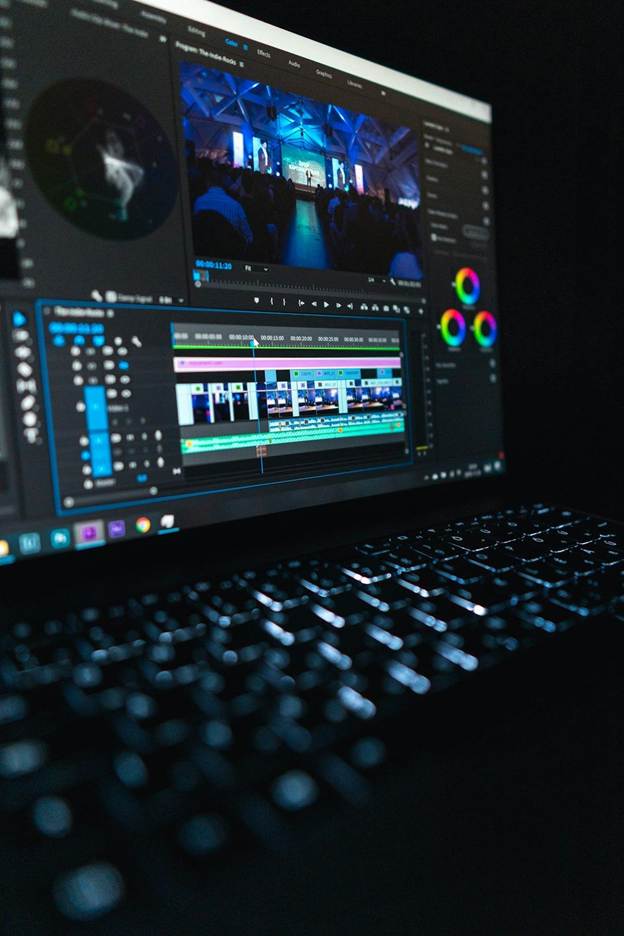
Post-production is where your video takes its final form. This stage involves editing the footage, adding special effects, and incorporating music or voiceovers to create a cohesive narrative.
Editing is a critical step in ensuring that your video flows smoothly and maintains the viewer’s interest. Use cuts, transitions, and pacing to enhance the storytelling. Keep your audience engaged by maintaining a rhythm that aligns with your message.
Ensure that your video flows seamlessly from start to finish. Arrange clips in a logical order and use transitions to guide viewers through the narrative. A well-edited video maintains viewer interest and effectively communicates your message.
Enhance the visual appeal of your video through color correction, special effects, and graphics. Use visual elements to highlight key points and reinforce your brand’s identity. However, avoid overloading your video with effects, as this can distract from the main message.
Refine your video’s audio elements, including dialogue, music, and sound effects. Ensure that audio levels are balanced and that background music complements the video’s tone. High-quality audio enhances the overall viewing experience and reinforces your message.
Incorporating Graphics and Effects
Graphics and effects can add a professional touch to your video, emphasizing key points and enhancing the overall visual appeal. However, use them sparingly to avoid distracting from the main message.
Incorporate motion graphics to illustrate complex ideas or data in an engaging way. Motion graphics can simplify information and make it more accessible to viewers. Use them strategically to enhance your video’s narrative without overwhelming the audience.
Consider creating custom animations to add a unique and creative element to your video. Animations can convey information in a fun and memorable way, making your video stand out. Work with skilled animators to ensure that animations align with your brand’s style and message.
Balancing Effects with Content
Balance the use of graphics and effects with the video’s content to maintain a clear focus on the message. Avoid excessive visual elements that can distract from the story. A well-balanced video keeps viewers engaged and reinforces the intended message.
Once your video is edited and polished, it’s time to distribute it. Choose the right platforms based on your audience’s preferences, whether it’s social media, your website, or email marketing. Ensure that your video is optimized for each platform for maximum reach and engagement.
Preparing for Multi-Platform Distribution
Adapt your video for different platforms to maximize its reach and impact. Consider platform-specific requirements, such as video length, format, and aspect ratio. Tailoring your video for each platform ensures that it is accessible and engaging to a broader audience.
Leveraging Social Media for Promotion
Utilize social media to promote your video and increase its visibility. Share it across your social media channels and encourage your audience to engage with and share the content. Social media platforms offer powerful tools for reaching a wide audience and driving engagement.
After distribution, analyze performance metrics to evaluate the video’s success. Track metrics such as views, engagement, and conversion rates to assess its impact. Use this data to refine future video strategies and ensure continued success.
Best Practices for Effective Corporate Video Production
Attention spans are short, so keep your video concise and to the point. Aim for a length that maintains engagement without overloading the viewer with information.
Understanding Viewer Preferences
Recognize that viewers have limited time and attention spans. Create videos that deliver your message quickly and efficiently. Understanding viewer preferences helps you create content that captures and retains attention.
Identify and prioritize the most important messages you want to convey. Focus on these key points and eliminate unnecessary details. A concise video ensures that viewers receive the intended message without feeling overwhelmed.
Test different video lengths and formats to determine what resonates best with your audience. Use feedback and data to refine your approach and create more effective content. Iterative testing allows you to continually improve your video’s impact.
Storytelling is a powerful tool in video production. It helps humanize your brand and creates an emotional connection with your audience. Use real-life scenarios, testimonials, or a narrative structure to make your video memorable.
Building an Emotional Connection
Craft a story that resonates with viewers on an emotional level. Use relatable characters and situations to evoke empathy and connection. An emotional story leaves a lasting impression and encourages viewers to engage with your brand.
Incorporating Authentic Testimonials
Include authentic testimonials from customers, employees, or partners to add credibility to your story. Real-life experiences and testimonials build trust and reinforce your brand’s value. Authentic content resonates with viewers and enhances your video’s impact.
Structure your narrative with a clear beginning, middle, and end. Introduce the problem, present the solution, and conclude with a call to action. A well-structured narrative guides viewers through the story and reinforces your message.
Every corporate video should include a clear call to action (CTA). Whether it’s visiting your website, contacting your sales team, or following your social media channels, guide your audience on the next steps to take.
Create a clear and compelling call to action that aligns with your video’s objectives. Use persuasive language and visuals to encourage viewers to take the desired action. An effective CTA increases engagement and drives conversions.
Place your CTA strategically within the video to maximize its impact. Consider placing it at the end or throughout the video, depending on the context. Strategic placement ensures that viewers receive the message and are motivated to act.
Track the success of your CTA by monitoring conversions, clicks, and other relevant metrics. Use this data to refine your approach and improve future video strategies. Measuring CTA success ensures that your videos continue to drive results.
Conclusion
Effective corporate video production is a blend of creativity, strategy, and technical expertise. By understanding your objectives, audience, and the elements of production, you can create videos that not only captivate but also convert. Whether you’re partnering with a film production company in Mumbai or managing the process internally, these tips will help you produce videos that elevate your brand and achieve your goals.
Remember, the key to successful video production lies in meticulous planning, professional execution, and strategic distribution. Embrace these principles, and you’ll be well on your way to creating impactful corporate videos that resonate with your audience.
The Ongoing Journey of Video Production
Video production is an ongoing journey that requires continuous learning and adaptation. Stay informed about industry trends and innovations to keep your content fresh and relevant. Embrace feedback and be open to change, ensuring that your videos continue to engage and inspire your audience.
Building a Strong Video Production Team
Surround yourself with a talented and dedicated video production team. Collaborate with professionals who share your vision and are committed to producing high-quality content. A strong team is essential for achieving your video production goals and driving long-term success.
Celebrating Success and Learning from Challenges
Celebrate the successes of your video production efforts and learn from the challenges you encounter. Use each project as an opportunity to grow and improve your skills. Embracing both successes and challenges will help you become a more effective and resilient video producer.